1.74 Million: Tesla's FSD Milestone Relies on Outright Purchases
Tesla reports a surge in Full Self-Driving subscribers, but the figure includes owners who paid upfront years ago, a definition tailored to the CEO's compensation plan.
By Jonathan Pierce ·
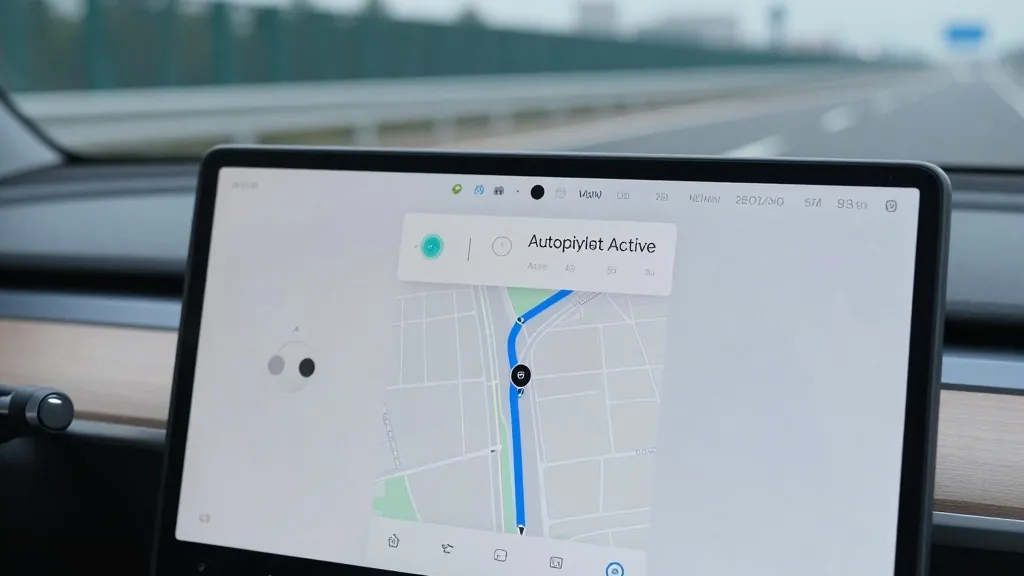
For drivers in the New York and New Jersey regions, the headline number is 1.74 million. Tesla reports this as its current count of active Full Self-Driving (FSD) subscriptions, a figure that represents a 67% increase from the same period last year. On the surface, this suggests rapid adoption of the software. However, a closer look at the company’s Q3 2026 shareholder letter reveals that this total is not purely composed of monthly payers. The metric is calculated to align with the specific requirements of Tesla’s 2025 CEO Performance Award, meaning it includes vehicles that were purchased with a one-time fee years ago.
The definition of this metric has evolved alongside the company’s financial strategies. Until February 14, 2026, Tesla sold FSD as a permanent, upfront purchase, with prices reaching as high as $15,000. As of that date, new customers in the US can only access the feature through a monthly subscription at $99. Consequently, the 1.74 million figure now combines these new monthly subscribers with the existing fleet of cars that paid the upfront cost. The only group excluded from this total are those on free trials.
This counting method is significant because 10 million active FSD subscriptions is a specific milestone Elon Musk must achieve to unlock a portion of his 2025 compensation package. The award, which runs until 2035, is divided into 12 tranches, each requiring both a market capitalization target and an operational milestone. While Tesla noted in June that only the 20 million vehicle delivery milestone was considered probable, the FSD subscription count remains a key metric for the other tranches. The ambiguity lies in the fact that hundreds of thousands of these “subscribers” were originally sold the promise of unsupervised self-driving, a feature Tesla has not yet fully delivered to the general public.
Tesla’s Q3 performance showed a net addition of 260,000 FSD subscriptions, marking its strongest quarter to date. If the company maintains this momentum, it would take approximately eight years to reach the 10 million target. However, if it adheres to the pace of the previous 12 months, averaging roughly 700,000 new subscriptions annually, the timeline extends to nearly 12 years. Despite this growth, Tesla has not clarified how many of the 1.74 million users are actually paying the $99 monthly fee versus those who hold the permanent license.
The company also highlighted a 75% attach rate for FSD in North American deliveries during Q3, claiming it saw a nearly 20-point sequential increase. Tesla attributes this to FSD “driving demand” in markets where it is available. Yet, the letter does not define whether this rate includes introductory offers or if it reflects long-term retention. Unlike the active subscription metric, which excludes free trials, the attach rate’s exclusions remain unspecified, leaving investors to question how many of these new adopters remain after their initial interest fades.
This approach to reporting metrics is not unique to software. Tesla’s cumulative delivery figure, now at 10.2 million, also incorporates unsupervised robotaxis placed into commercial operation, again matching the criteria set by the 2025 compensation plan. The board, which approved these definitions, has effectively created a metric that serves dual purposes: measuring business health and determining executive pay. For now, Tesla remains the sole holder of the precise data on monthly retention, a fact that keeps the true value of the FSD service under a veil of corporate opacity.
As the company moves closer to its 2035 deadline, the distinction between a subscriber and an outright buyer will likely become less important to the bottom line and more important to the narrative. For ordinary consumers in the Northeast, the key takeaway is that the software is becoming standard on new vehicles, even if the definition of “active” has been broadened to support a specific financial goal.
Source: Electrek