SpaceX Shares Surge as AI Boom and Starship Milestones Trigger Massive Wall Street Revaluation
A record-breaking quarter and aggressive AI expansion plans have sent SpaceX stock sharply higher, prompting analysts to significantly raise their long-term price forecasts.
By Kateryna Melnyk ·
In the early trading sessions of October 21, 2026, SpaceX (NASDAQ: SPCX) shares climbed approximately 8 percent, reaching a premarket high that reflected a sudden surge in investor confidence. This immediate market reaction followed the company’s release of third-quarter results after the close on October 20, which signaled a dramatic shift in the firm’s financial trajectory. The stock had closed the previous day at $147.79, but the new data and subsequent analyst reactions have fundamentally altered how Wall Street views the company’s future earnings potential.
The primary driver of this optimism is the sheer scale of SpaceX’s recent performance. The company reported revenue of $14.6 billion, a figure that represents a 161 percent year-over-year increase and significantly exceeded the consensus estimate of roughly $12.7 billion. More notably, SpaceX swung from a net loss in the same period last year to a net profit of $4.4 billion. With adjusted EBITDA reaching $8.8 billion, the company has demonstrated a capacity for profit generation that many observers had not previously anticipated at this stage of its growth.
A pivotal factor in this turnaround is the rapid expansion of the company’s Super Intelligence division, which now handles AI compute infrastructure. This segment generated approximately $7.6 billion in revenue, growing nearly 830 percent year-over-year to become the largest contributor to the company’s total income. While the Connectivity segment, driven by Starlink, delivered $5.2 billion in revenue and grew its consumer base to 13.6 million subscribers, the AI division’s explosive growth has become the central narrative for future valuation.
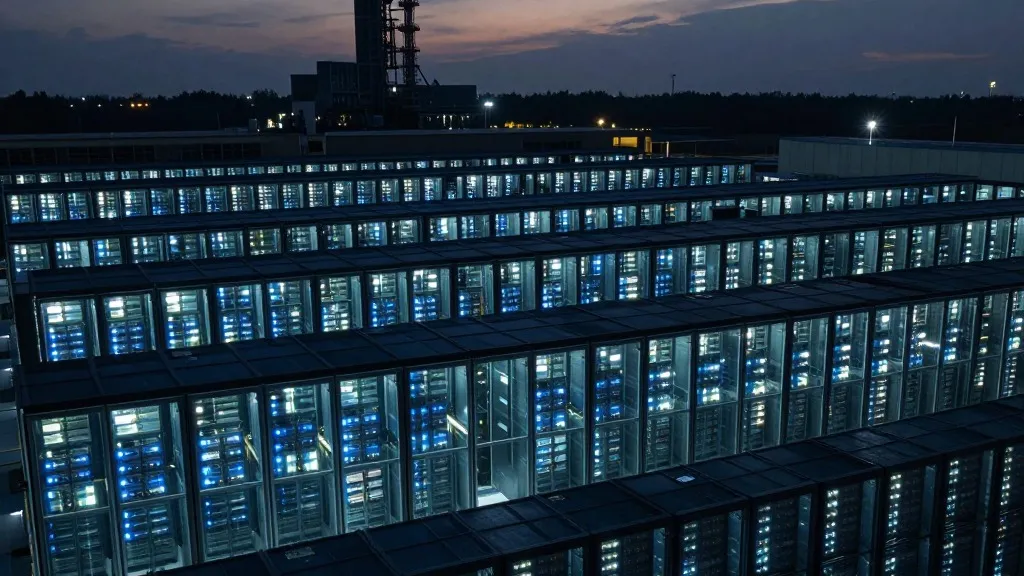
During the earnings call, CEO Elon Musk and CFO Bret Johnsen provided guidance that far outpaced market expectations. They projected first-quarter 2027 revenue to fall between $33 billion and $37 billion, a substantial leap from the roughly $22 billion that analysts had modeled. To support this growth, management outlined fourth-quarter capital expenditure plans ranging from $35 billion to $40 billion, with a specific focus on building AI compute infrastructure at sites in Memphis and Southaven.
The aggressive spending reflects a strategic push to secure a dominant position in the AI compute market. Management targets installing 2.5 to 3 gigawatts of nameplate compute capacity by the end of this year, with pathways to reach 13 gigawatts or more by the end of 2027. Musk emphasized that demand from hyperscalers and other major customers is relentless, noting that current compute pricing supports payback periods of less than a year, and in some cases, as short as six months.
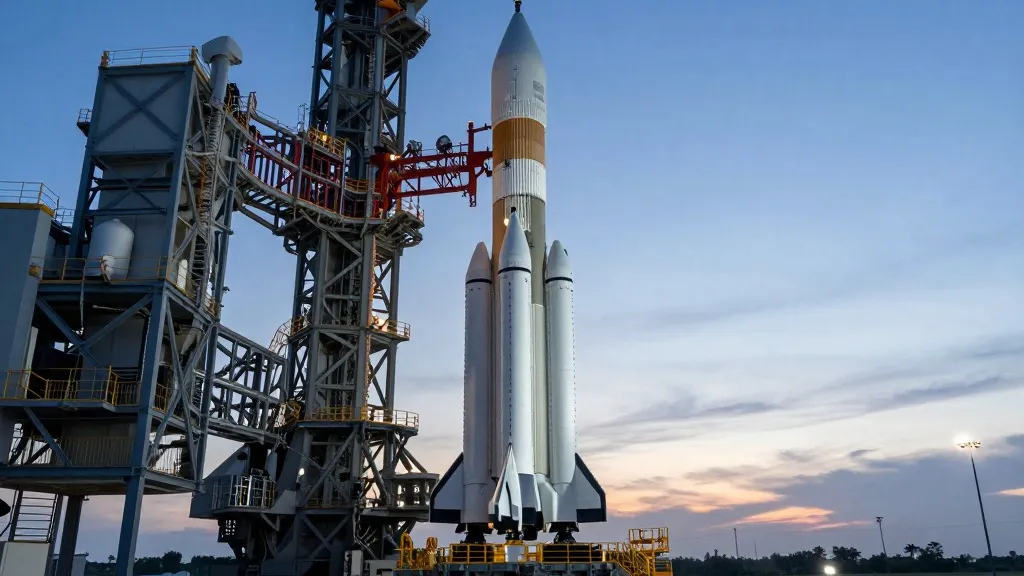
Beyond the financials, the company highlighted significant technological achievements, including recent orbital successes for Starship and the deployment of V3 satellites. The call also touched on the rapid adoption of Grok Bot, plans for spectrum expansion, and the formation of special committees to explore a potential combination with Tesla. These operational milestones have reinforced the perception that SpaceX is successfully diversifying its revenue streams while maintaining its leadership in space exploration.
In response to these developments, a wave of price-target increases swept through major investment banks. JPMorgan more than doubled its target to $500 from $240, maintaining an Overweight rating. Cantor Fitzgerald raised its target to $345, while Barclays and Morgan Stanley both set targets at $300. Citi increased its outlook to $240, and UBS moved to $230. TD Cowen, Wells Fargo, and Clear Street also adjusted their forecasts upward, reflecting a broad consensus that the company’s long-term growth potential has been previously underestimated.
Analysts broadly cited the strong quarterly results, the accelerating expansion of AI compute, and progress in Starlink and Starship programs as the key drivers for these higher targets. The movement suggests a deeper conviction in SpaceX’s ability to convert its technological lead into sustained financial performance. However, the scale of the planned capital expenditure remains a point of focus for investors, who are weighing the promise of future earnings against the significant costs required to build out the new infrastructure.
As the market digests these new numbers, the average analyst price target has moved higher, indicating a shift in the prevailing narrative for the stock. The combination of record revenue, a transition to profitability, and a clear roadmap for AI expansion has created a compelling case for continued growth. For investors in New York and New Jersey, the developments suggest that SpaceX is no longer just a space company, but a central player in the global AI infrastructure race.
Source: Teslarati